 info@magnet-store.co.uk
 0800 009 6562


Neodymium Magnets
Neodymium magnets, also called NdFeB or rare earth magnets, are the strongest type of permanent magnet you can buy. Their strength lets a small magnet do the work of a much larger ferrite or alnico one, which is why they are used in 3D prints and models, magnetic catches and closures, tool holders, pick-up tools and electric motors. Choose from the stock discs, blocks, rings, cylinders, countersunk and pot magnets below. If you can’t see the grade or size you require, get in touch for a custom manufacturing quote.
More neodymium shapes
Arc Mitre Tube Top Hat Pyramid Counterbore Hook Sphere Diametrically Magnetised Epoxy Coated
Showing 253–280 of 343 resultsSorted by price: low to high
-

30mm x 20mm x 8mm x (5mm x 5mm Countersunk Holes) Neodymium Block Magnets N42 (16.13KG Pull)
From £17.66 (£14.72 ex VAT) -
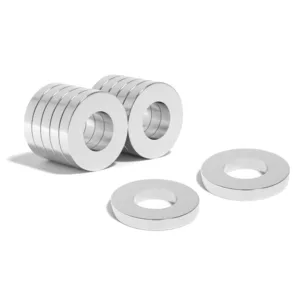
OD30mm x ID15mm x T5mm Neodymium Ring Magnets N52 (12.30KG Pull)
From £18.78 (£15.65 ex VAT) -

18mm x 30mm Cylinder Neodymium Magnet N52 (19.24KG Pull)
From £18.99 (£15.83 ex VAT) -
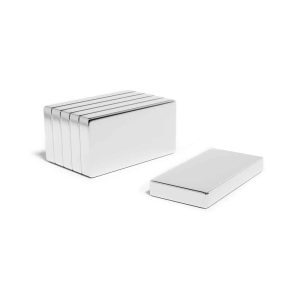
25.4mm x 3.18mm x 12.7mm (1″ x 1/8″ x 1/2″) Block Neodymium Magnet N42 (4.39KG Pull)
From £19.28 (£16.07 ex VAT) -

20mm x 3mm x (3.6mm Countersunk Hole) Neodymium Disc Black Epoxy Magnet N52SH – Max Temp 150° (5.29KG Pull)
From £19.37 (£16.14 ex VAT) -
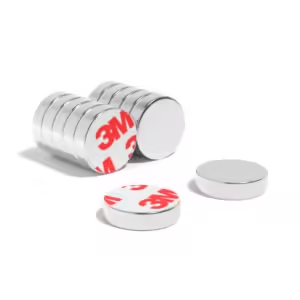
20mm x 5mm 3M Adhesive Disc Neodymium Magnet N52 (9.64KG Pull)
From £19.66 (£16.38 ex VAT) -
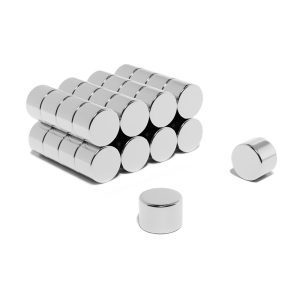
14mm x 10mm Neodymium Disc Magnet N48 (8.45KG Pull)
From £19.66 (£16.38 ex VAT) -

35mm x 5mm Neodymium Disc Black Epoxy Magnet N52 (16.74KG Pull)
From £19.94 (£16.62 ex VAT) -

8mm x 40mm Neodymium Cylinder Magnet N52 (3.75KG Pull)
From £19.94 (£16.62 ex VAT) -

18mm x 4mm Copper Plated Neodymium Disc Magnet N52 (6.88KG Pull)
From £20.99 (£17.49 ex VAT) -
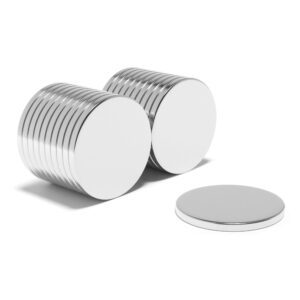
24mm x 2mm Neodymium Disc Magnet N52 (4.25KG Pull)
From £21.18 (£17.65 ex VAT) -

12mm x 24mm Neodymium Cylinder Magnet N45 (7.09KG Pull)
From £21.46 (£17.88 ex VAT) -
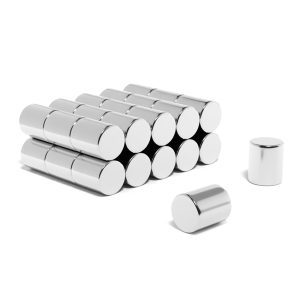
10mm x 12mm Neodymium Cylinder Magnet N54 (5.38KG Pull)
From £21.67 (£18.06 ex VAT) -

5mm x 35mm Neodymium Cylinder Magnet Black Epoxy N52 (1.41KG Pull)
From £21.75 (£18.13 ex VAT) -
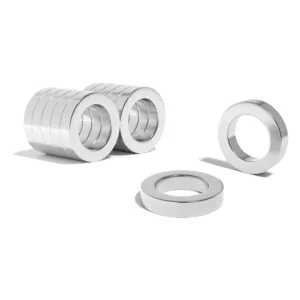
OD25mm x ID16mm x T5mm Neodymium Ring Magnets N52 (9.91KG Pull)
From £21.84 (£18.20 ex VAT) -
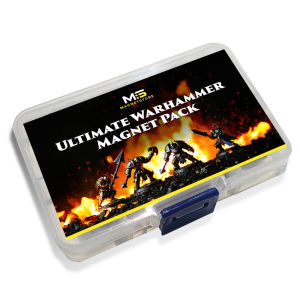
Ultimate Wargaming Magnet Pack – 160 Premium Neodymium Magnets for Miniatures
£21.99 (£18.33 ex VAT) -

20mm x 4mm x (5.2mm Countersunk hole) Neodymium Disc Magnet N52SH – Max Temp 150° (8.27KG Pull)
From £22.13 (£18.44 ex VAT) -

18mm x 6mm Neodymium Disc Magnet N35 (6.34KG Pull)
From £22.32 (£18.60 ex VAT) -

14mm x 8mm Neodymium Disc Magnet N52 (8.17KG Pull)
From £22.41 (£18.68 ex VAT) -

12mm x 12mm Neodymium Cylinder Magnet N52 (7.33KG Pull)
From £22.51 (£18.76 ex VAT) -

10mm x 15mm Neodymium Cylinder Magnet N54 (5.55KG Pull)
From £22.60 (£18.83 ex VAT) -

35mm x 10mm x 3mm Neodymium Block Magnet N52 (5.72KG Pull)
From £22.60 (£18.83 ex VAT) -

35mm x 20mm x 10mm Neodymium Block Width Magnetised N35 (17.21KG Pull)
From £22.79 (£18.99 ex VAT) -

40mm x 20mm x 10mm Neodymium Block Black Epoxy Magnet N50 (27.28KG Pull)
From £22.89 (£19.08 ex VAT) -

48mm Neodymium Pot Magnet (75KG Pull)
From £23.36 (£19.47 ex VAT) -
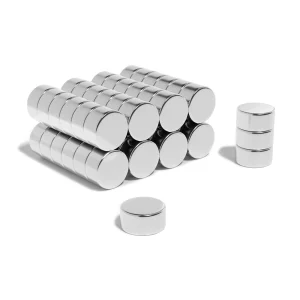
16mm x 8mm Neodymium Disc Magnet N40 (7.57KG Pull)
From £23.46 (£19.55 ex VAT) -

21mm x 3.5mm Neodymium Disc Black Epoxy Magnet N50 (6.57KG Pull)
From £23.65 (£19.71 ex VAT) -

50mm x 3mm Neodymium Disc Magnet N52 (14.38KG Pull)
From £23.93 (£19.94 ex VAT)
Neodymium Magnets FAQs
What is a neodymium magnet?
A neodymium magnet is a permanent magnet made from an alloy of neodymium, iron and boron, which is why it is also called an NdFeB magnet. It is the most widely used type of rare earth magnet and the strongest type of permanent magnet available. Our neodymium material guide explains how they are made.
How strong are neodymium magnets?
By volume, a neodymium magnet stores about 18 times the magnetic energy of a ferrite magnet. How much it holds depends on its size, its grade and what it sticks to. Each product lists its pull force, and our MagNet pull force calculator shows what reduces it.
Neodymium, ferrite or samarium cobalt: which should I choose?
Choose neodymium when you need the most strength from a small magnet. Ferrite costs less and resists corrosion without a coating, so it suits larger, lower-cost parts: see our ferrite magnets. For heat, choose samarium cobalt or a high-temperature neodymium grade: see our high temperature magnets. Our magnetic materials guide compares them.
What do the N numbers mean?
Each product title shows its grade as an N number. The number is the magnet’s maximum energy product: the higher it is, the stronger the magnet for its size. Letters after the number mean the magnet can work at higher temperatures. Our neodymium grades guide lists every grade, and each product page lists its maximum temperature.
Do neodymium magnets rust?
Uncoated neodymium easily corrodes, so neodymium magnets are plated or coated to protect them. Coatings include nickel-copper-nickel, black nickel, zinc, gold, copper, titanium nitride, epoxy and PTFE (Teflon), and each one suits different conditions. Our coatings guide compares them.
Are neodymium magnets safe to handle?
They are safe with care, but they are strong. Two magnets, or a magnet and steel, can snap together hard enough to pinch skin or chip the magnet. Keep them away from children, pacemakers and other medical implants, and from electronics. Our magnet safety guide covers handling, storage and safe distances.
Do you make custom neodymium magnets?
Yes. We make neodymium magnets to order in any size, shape or grade, all ISO 9001 certified and RoHS and REACH compliant. Request a custom manufacturing quote.
Can't find what you need?
If you can't find what you're looking for, please get in touch and a member of our team will be happy to help.