 info@magnet-store.co.uk
 0800 009 6562


Which Metals Are Magnetic?
Welcome to our comprehensive guide on magnetic metals. In this article, we will delve into the world of magnetic metals and explore the properties and characteristics of these metals. We will take a look at the most commonly known magnetic metals, such as iron, nickel, and cobalt, and examine their uses in various industries and applications.
Whether you're a student, a professional, or simply curious about the topic, this guide will provide you with a thorough understanding of the world of magnetic metals. So, let's dive in and discover the fascinating world of magnets and the metals that make them possible.
Jump to a metal
What is Magnetism?
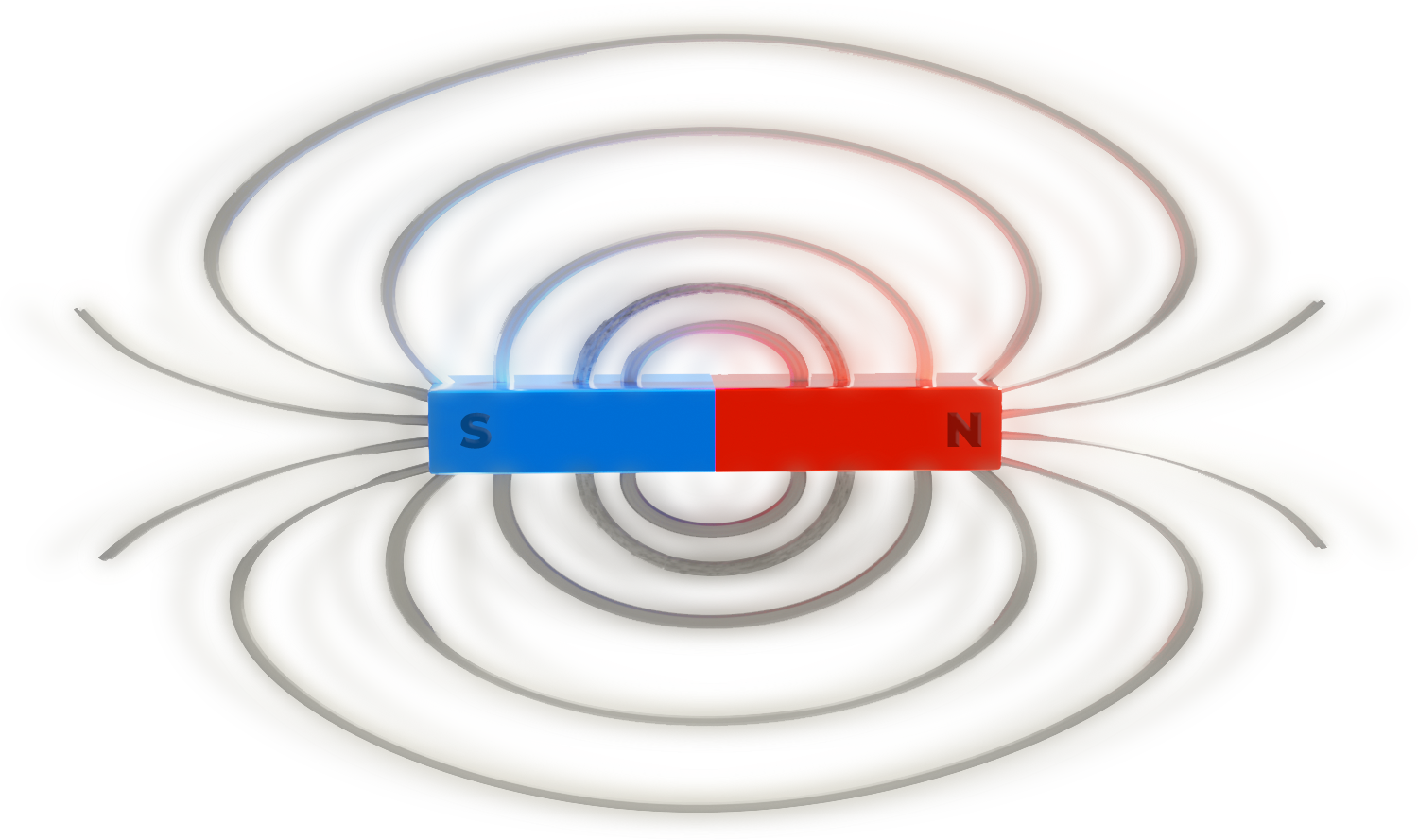
In simple terms, magnetism is the force that you can feel from magnets when they attract or repel each other. This seemingly magical force baffled scientists for centuries until it was discovered that magnetism is caused by the motion of electrical charges of electrons. Everything around us, except energy, is made from atoms and each atom has electrons and particles that carry electrical charges. These are like spinning tops and their movement generates electrical currents that cause each electron to act and behave like a tiny magnet. The accumulation of millions of these “tiny magnets” amplifies the force which is why magnets attract and repel from one another.
Buy Custom Magnets
Magnet Store is a leading supplier of custom magnetic solutions. If you have any magnet requirements, contact us at custom@magnet-store.co.uk or contact us using the contact form at the bottom of this page.
Is Aluminium Magnetic?
No, not in any way you would notice. Aluminium is paramagnetic: a magnet attracts it so weakly that you cannot feel it, and it keeps no magnetism once the magnet is taken away. Read more: is aluminium magnetic?
Is Brass Magnetic?
Brass is commonly used in various applications, from musical instruments to home decor. But is Brass magnetic?
Brass is an alloy made up primarily of copper and zinc. Magnetism is a property determined by the alignment of the atoms in a material. In the case of brass, the atoms are arranged in a way that does not allow for the alignment necessary to create a magnetic field. Therefore, brass is not magnetic. This property is consistent across all forms of brass, whether cast, machined, or extruded.
This non-magnetic characteristic of brass is an important property for many applications where magnetic fields can cause interference or damage to equipment. For example, brass is commonly used for switches and connectors in electrical systems because it does not interfere with the flow of electricity. Also, brass is used in the construction of musical instruments, such as horns and trumpets, because its non-magnetic properties do not affect the instrument's sound quality.
Is Bronze Magnetic?
Usually not. Bronze is mainly copper with some tin, and a magnet will not stick to it. Some bronzes that also contain iron or nickel can be magnetic.
Is Cobalt Magnetic?

Cobalt, a chemical element with the symbol Co, is a transition metal known for its unique properties. The question of whether cobalt is magnetic or not is a common one, and the answer is that yes, cobalt is magnetic.
All matter is comprised of atoms, and the behavior of these atoms' determine a material's overall properties. In the case of cobalt, its atoms have an intrinsic magnetic property, which means that they align themselves in response to an external magnetic field. This is due to the presence of unpaired electrons in the cobalt atoms. These unpaired electrons create a magnetic moment and make cobalt a ferromagnetic material, which means that it can be magnetised to a large extent.
Cobalt is also known for its high magnetic susceptibility, which means it is highly responsive to an external magnetic field. This property makes it an ideal material for various industrial and technological applications, such as in producing powerful permanent magnets and in manufacturing electronic devices.
Samarium–cobalt magnets are particularly useful in applications where high energy density is required, such as in electric motors and MRI machines. However, they are also used in many other applications, such as aerospace, automotive, and medical equipment.
Is Copper Magnetic?
No. Copper is diamagnetic, which means a magnetic field repels it very slightly. A magnet will not stick to copper, and you would not feel the push. Read more: is copper magnetic?
Is Gold Magnetic?
No. Pure gold is diamagnetic, so a magnet repels it very slightly rather than attracting it. If a piece of gold jewellery moves towards a magnet, the pull comes from other metals in the alloy or the clasp. Read more: is gold magnetic?
Is Iron Magnetic?
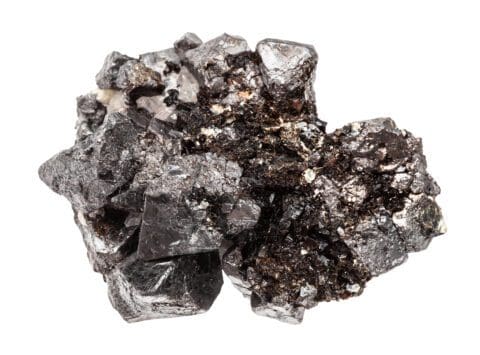
Iron is a chemical element with the symbol Fe and atomic number 26. Iron has been used for thousands of years for various purposes such as construction and transportation.
Iron is a ferromagnetic material, which means it can be magnetised by an external magnetic field, and it can also produce its own magnetic field. Ferromagnetism is a type of magnetism exhibited by certain materials, including iron, nickel, and cobalt. In these materials, the electrons are aligned so that their magnetic fields reinforce each other, resulting in a strong magnetic field. This property is due to the iron atoms' unpaired electrons, which all point in the same direction.
Iron has different forms, including cast iron and wrought iron;
- In its pure form, iron is a ferromagnetic material, which means an external magnetic field can magnetise it and it also produces its magnetic field
- Cast iron is mostly iron, with more than 2% carbon and some silicon. It is brittle, and most cast iron is magnetic.
- Wrought iron is mostly composed of iron, slag, and other impurities and is ductile. It is also magnetic.
For example, iron is used to construct electric motors, generators, and speakers. It is also used to manufacture various tools, such as nails, screws, and other hardware.
Is Lead Magnetic?
Lead, is a chemical element identified by the symbol Pb, and is a heavy metal used in many applications, such as construction and industrial processes. But is Lead a magnetic material?
Magnetism is a property determined by the alignment of the electrons in a material. In the case of lead, the electrons are arranged in a way that does not allow for the alignment necessary to create a magnetic field. Therefore, lead is not magnetic.
Is Magnesium Magnetic?
No, not in any way you would notice. Magnesium is paramagnetic: a magnet attracts it so weakly that you cannot feel it, and it keeps no magnetism once the magnet is taken away.
Is Mercury Magnetic?
Mercury, also known as quicksilver, is a chemical element with the symbol Hg. It is a heavy, silvery-white metal that is liquid at room temperature.
Mercury atoms do not have any intrinsic magnetic properties, meaning they do not align themselves in response to an external magnetic field. This is because mercury atoms do not have any unpaired electrons, which are responsible for creating a magnetic moment and making a material magnetic. Additionally, mercury is considered to be a diamagnetic element, which means that it is repelled by a magnetic field. Mercury has been used in various industrial and scientific applications, but it has been phased out due to its toxic nature and tendency to accumulate in the environment.
Is Nickel Magnetic?
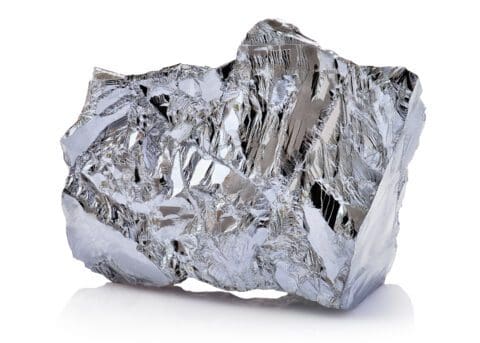
Yes. Nickel is ferromagnetic, so a magnet will stick to it. It is one of only a few metals that behave this way at room temperature, along with iron and cobalt. Permalloy, an alloy of about 80% nickel and 20% iron, is very easy to magnetise, so it is used in transformers, magnetic shielding and recording heads. Not everything that contains nickel is magnetic: austenitic stainless steel contains nickel but is usually not magnetic.
Is Platinum Magnetic?
No, not in any way you would normally notice. Platinum is paramagnetic: a magnet attracts it only very weakly, and it keeps no magnetism once the magnet is taken away.
Is Silver Magnetic?
Silver, like many other metals, is not magnetic. However, silver is diamagnetic and is very slightly repelled by a strong magnetic field or can be made magnetic if alloyed with other magnetic materials.
Silver conducts electricity very well and is used in electrical contacts, although its high cost means it is rarely chosen just for its conductivity.
Is Steel Magnetic?
Usually, yes. Ordinary carbon steel is mainly iron, so a magnet will stick to it. One important exception is austenitic stainless steel, which is usually not magnetic (see "Is Stainless Steel Magnetic?" below).
Is Stainless Steel Magnetic?
It depends on the type. Ferritic, martensitic and duplex stainless steels are magnetic. Austenitic stainless steel is usually not magnetic, although bending or cold working can make it slightly magnetic. Read more: is stainless steel magnetic?
Is Tin Magnetic?

No, not in any way you would notice. Everyday tin is paramagnetic: a magnet attracts it so weakly that you cannot feel it, and it keeps no magnetism once the magnet is taken away. Tin cans are different: they are made of tinplate, which is steel with a thin coating of tin, so a magnet sticks to the steel.
Is Titanium Magnetic?
No, not in any way you would notice. Titanium is paramagnetic: a magnet attracts it so weakly that you cannot feel it, and it keeps no magnetism once the magnet is taken away. It is used in many medical applications because the body tolerates it well.
Is Zinc Magnetic?
No. Zinc is diamagnetic, so a magnet will not stick to it. Zinc mixed with magnetic metals can pick up some magnetism from them. Read more: is zinc magnetic?
Which metal are you checking?
- Is gold magnetic?
- Is stainless steel magnetic?
- Is copper magnetic?
- Is aluminium magnetic?
- Is zinc magnetic?
- Is cobalt magnetic?
Looking at the materials used to make magnets (neodymium, ferrite, alnico, SmCo)? See our guide to permanent magnetic materials, or custom-manufactured magnets for bespoke specifications.