 info@magnet-store.co.uk
 0800 009 6562


Magnets for Woodworking
Hidden closures, screw-in fixings, jigs that stay put and timber-faced tool racks. Find the magnet for each job, and how to fit it in wood.

Pick your job
For furniture made to sell, see magnets for furniture makers.
Hidden closures for boxes and cabinets
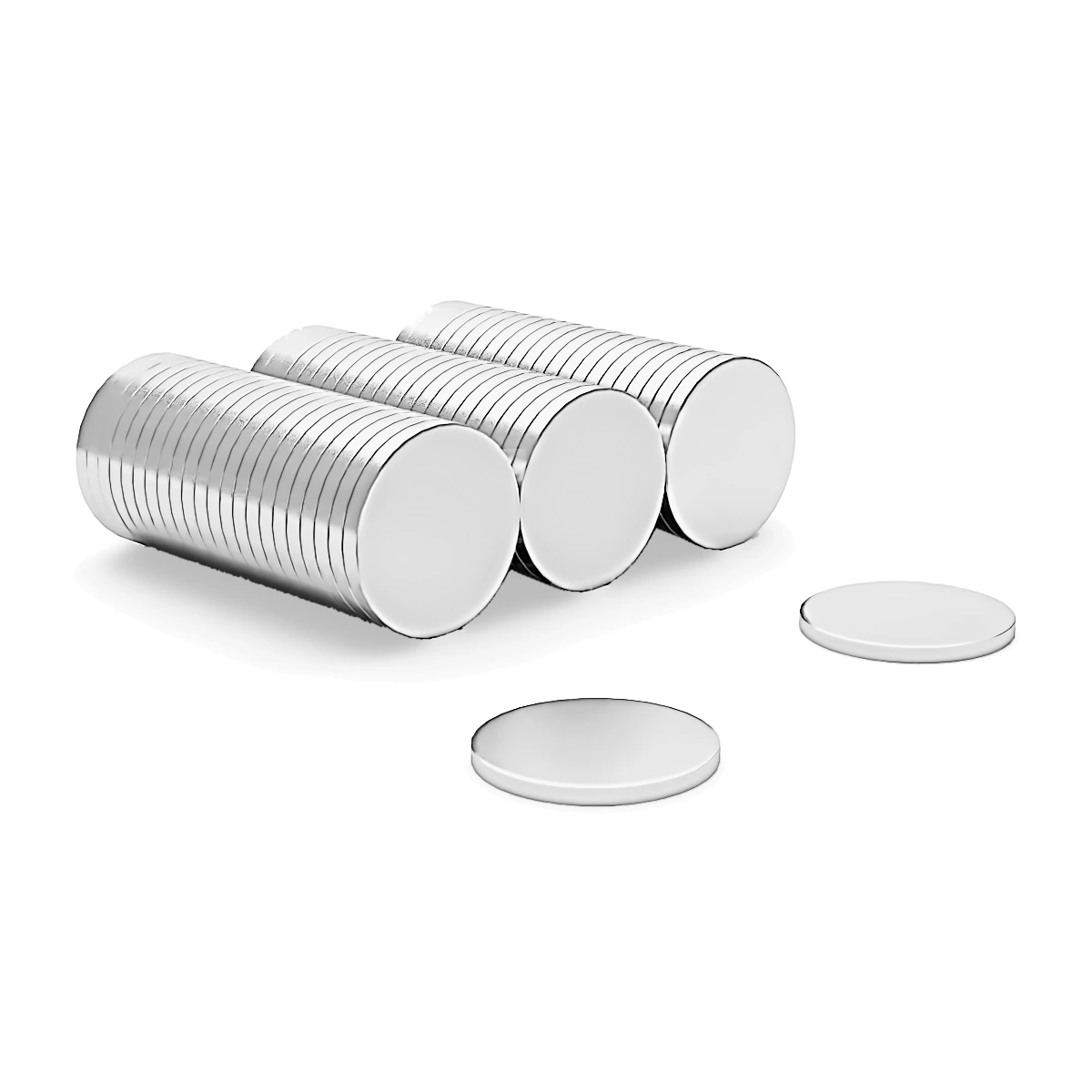
Drill a hole, glue in a disc magnet, and set a second magnet or a steel disc in the lid or door opposite. Nothing shows on the outside, and the lid closes with a click.
Screw-in fixing
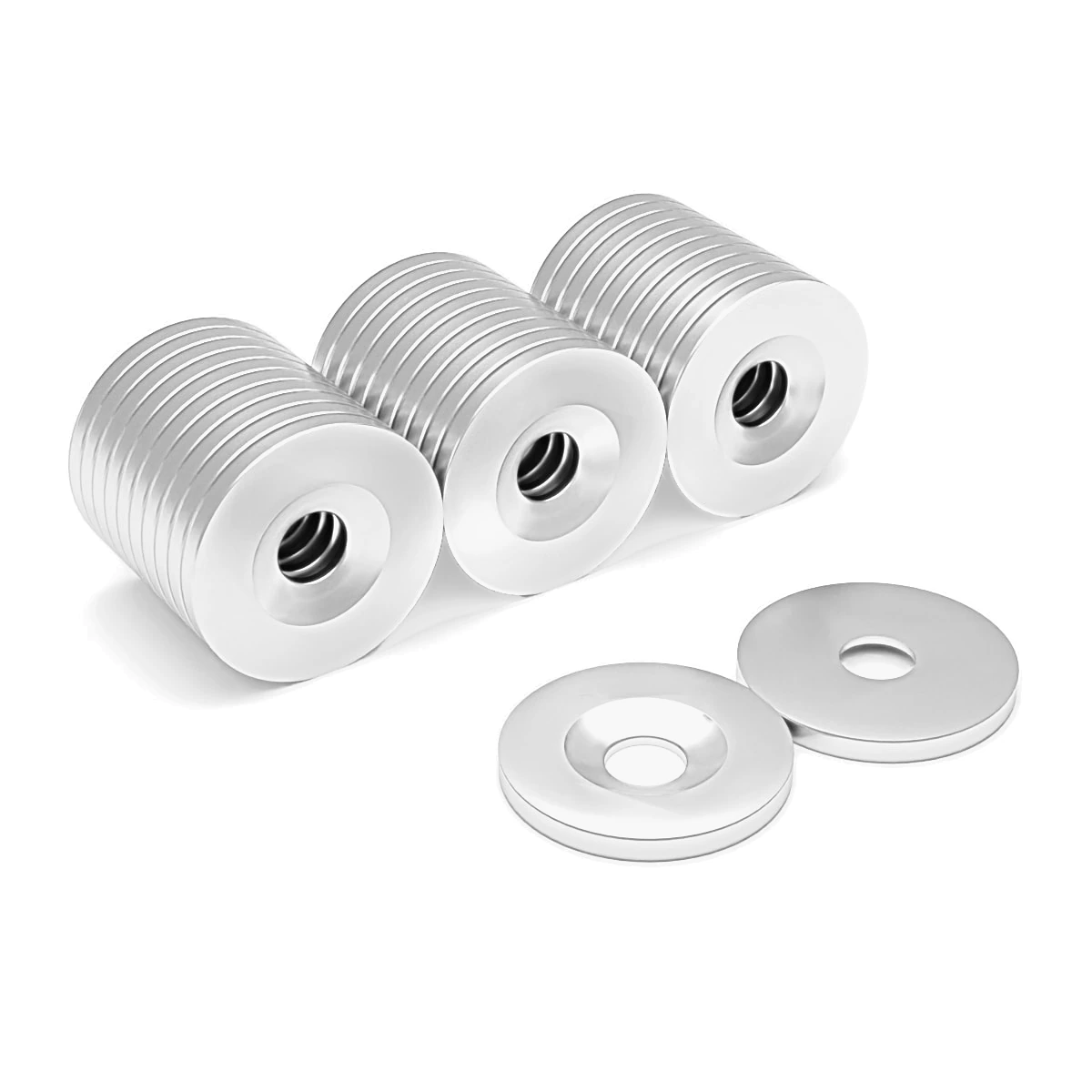
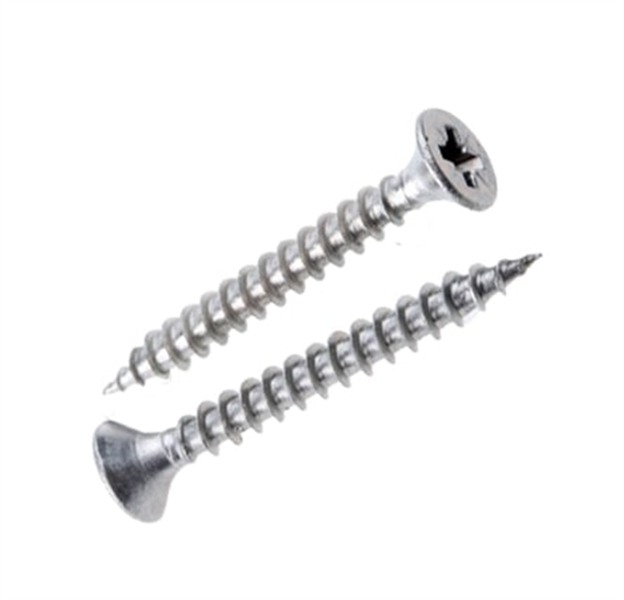
Countersunk magnets screw straight into timber, with the screw head sitting flush with the magnet face. Counterbore magnets take a screw with a flat underside. Channel magnets sit in a steel channel that focuses the hold on one face, and screw down through their holes. Because they're screwed in, all three are easy to move or replace.

Mitred frames and corners
Mitre magnets have an angled face that sits in a mitred joint, so frames, display boxes and lift-off trims line up as they close.

Jigs, stops and featherboards
Magnets hold shop-made jigs, stops and featherboards to a cast iron or steel table without clamps. They won't hold to an aluminium top, so check yours with a magnet first. Channel and pot magnets screw into the base of a jig.
Tool racks
Set block magnets into the back of a timber strip and it holds chisels, bits and other steel tools with only wood on show. The wood in front acts as a gap and lowers the hold, so keep the face thin.

Fitting magnets in wood
Get the poles right
Two magnets facing each other must meet north to south, or they push apart. Mark each magnet before it goes in. Our guide to fitting magnets the right way round shows how.
Plan for the gap
Pull falls quickly as the gap grows, so veneer, paint or a thin wood face all cost strength. Check your size and gap in MagNet™, our free magnet strength calculator, before you drill.
Glue it to stay
Drill for a snug fit and use a glue that bonds metal to wood. Our guide on how to glue magnets covers which glue to use.
Handle with care
Neodymium magnets are brittle and snap together hard. Let them meet slowly and never hammer one into a hole. Read our magnet safety guide before you start.
Check the strength first
See how strong a magnet is at your gap, through paint, wood or a cover, before you buy.
Need a size we don't list?
If you can't see the grade or size you require, get in touch for a custom manufacturing quote.
Questions
Do magnets work through wood?
Yes. Wood isn't magnetic, so it doesn't block the magnet, but it adds a gap between the magnet and what it holds, and the pull drops as that gap grows. MagNet™ shows you how much.
Will a magnet hold a jig to my saw table?
On a cast iron or steel table, yes. On an aluminium table, no: aluminium isn't magnetic. Hold a magnet against a bare patch of the table to check.
Should I glue or screw my magnets?
Screw them in where you may want to move or replace them later. Glue them where they're hidden for good. Countersunk and counterbore magnets screw in, so they're easy to replace.
Which magnet do I need for a cabinet door?
For a door that should feel held but open easily, a magnetic catch or a small disc pair works well. For handle-free doors, use a push-to-open catch. See our catches.
Can you make magnets to my size?
Yes, we make magnets to your size, grade and coating, with no minimum order. Send the details through our custom quote form, and we will reply with a price and a delivery time.